
Board and batten siding has become one of the most sought-after exterior design trends in recent years. Its clean vertical lines create a timeless appearance that works equally well on modern farmhouses, contemporary homes, and traditional properties. Homeowners researching what is board and batten made of often discover there are multiple material options available, each offering different benefits in terms of durability, maintenance, and cost.
Although board and batten originated centuries ago as a practical construction method, today’s versions combine historical charm with modern performance. Understanding the available materials will help you choose an exterior solution that complements your home’s design while fitting your long-term maintenance goals.
Understanding Board and Batten Siding
Board and batten is a siding style that uses wide vertical boards with narrow strips, called battens, installed over the seams.
This design creates:
- Distinctive vertical lines
- Architectural depth
- Enhanced texture
- Timeless curb appeal
The overlapping construction also helps protect against moisture infiltration.
Traditional Wood Board and Batten
Historically, wood was the original material used for board and batten siding.
Common Wood Species Include:
- Cedar
- Pine
- Redwood
- Cypress
Advantages
- Authentic appearance
- Natural beauty
- Customizable finishes
- Historic charm
Disadvantages
- Requires regular maintenance
- Susceptible to moisture
- Can attract insects
- Needs repainting or staining
Wood remains popular among homeowners who prioritize authenticity.
Fiber Cement Board and Batten
Fiber cement has become one of the most popular modern alternatives.
It is manufactured using:
- Cement
- Sand
- Cellulose fibers
Benefits Include:
- Excellent durability
- Fire resistance
- Moisture resistance
- Low maintenance
Many homeowners appreciate its ability to mimic real wood.
Engineered Wood Board and Batten
Engineered wood combines wood fibers with resins and protective treatments.
This modern material offers an excellent balance between appearance and performance.
Advantages
- Authentic wood texture
- Impact resistance
- Improved moisture protection
- Lower maintenance than natural wood
Engineered products continue gaining popularity in residential remodeling.
Vinyl Board and Batten
Budget-conscious homeowners frequently choose vinyl.
Vinyl board and batten offers:
- Affordable pricing
- Minimal maintenance
- Numerous color options
- Simple installation
Potential Drawbacks
- Less authentic texture
- Can crack under impact
- May expand in extreme temperatures
However, quality products can still provide excellent long-term value.
Read More in Home Remodel ProZ Blog
- Remodeling Your Kitchen in Fernan Lake Village, ID: Create a Beautiful and Functional Gathering Space
 Learn how modern kitchen renovations transform everyday living with efficient layouts and smart upgrades.
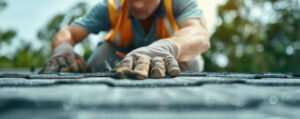
 - Commercial Roof Leak Repair: 3 Steps to Stop Damage Fast
 A leaking commercial roof can quickly become a costly problem if left untreated. This step-by-step guide explains how professional roof leak repairs are performed, from locating the true source of the leak to repairing damaged components and implementing preventive maintenance that helps protect your building for years to come.
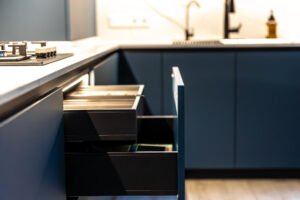
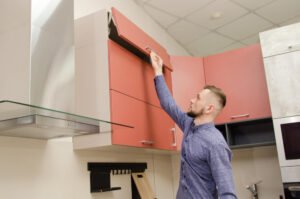
 - Kitchen Cabinet Refacing & Door Replacement Fairwood, WA: Affordable Kitchen Transformations
 Learn how cabinet refacing modernizes your kitchen while saving time and money.
Metal Board and Batten
Contemporary homes increasingly utilize metal exteriors.
Popular options include:
- Steel
- Aluminum
Benefits Include:
- Exceptional durability
- Modern aesthetics
- Fire resistance
- Long lifespan
Metal systems pair especially well with minimalist architecture.
How to Choose the Right Material
When evaluating what is board and batten made of, homeowners should consider several factors.
Questions to Ask:
- What is my budget?
- How much maintenance am I comfortable performing?
- What climate do I live in?
- What architectural style do I prefer?
Your answers will help narrow your choices.
Climate Considerations Matter
Different materials perform better in certain environments.
Humid Regions
Consider:
- Fiber cement
- Vinyl
- Metal
Cold Regions
Consider:
- Engineered wood
- Fiber cement
Dry Climates
Most materials perform exceptionally well.
Climate should always influence material selection.
How Board and Batten Improves Curb Appeal
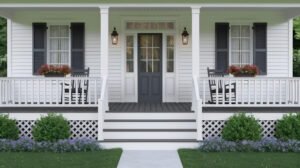
Vertical siding creates dramatic visual interest.
Benefits include:
- Makes homes appear taller
- Enhances architectural details
- Adds texture
- Improves modern appeal
It works especially well with:
- Farmhouse designs
- Contemporary homes
- Transitional architecture
Its versatility continues to drive popularity.
Maintenance Expectations by Material
Maintenance requirements vary significantly.
Higher Maintenance
- Natural wood
Moderate Maintenance
- Engineered wood
Lower Maintenance
- Fiber cement
- Vinyl
- Metal
Choosing low-maintenance materials can reduce long-term expenses.
Professional Installation Makes a Difference
Proper installation is essential regardless of material.
Professionals ensure:
- Accurate spacing
- Weatherproof flashing
- Proper fastening
- Long-term performance
Poor installation can lead to moisture issues and premature deterioration.
Many homeowners exploring board and batten siding materials discover that professional installation greatly influences durability.
How Board and Batten Adds Value
Exterior upgrades consistently rank among high-return investments.
Benefits may include:
- Higher resale value
- Enhanced curb appeal
- Modern aesthetics
- Greater buyer interest
Buyers frequently appreciate updated exteriors.
Understanding what is board and batten made of helps homeowners make informed exterior remodeling decisions. From natural wood to fiber cement and metal, every material offers unique advantages.
The best choice depends on your budget, maintenance preferences, and climate conditions. Carefully evaluating these factors ensures a successful long-term investment.
By researching what is board and batten made of before beginning your project, you can create a beautiful exterior that enhances both functionality and curb appeal for many years.