

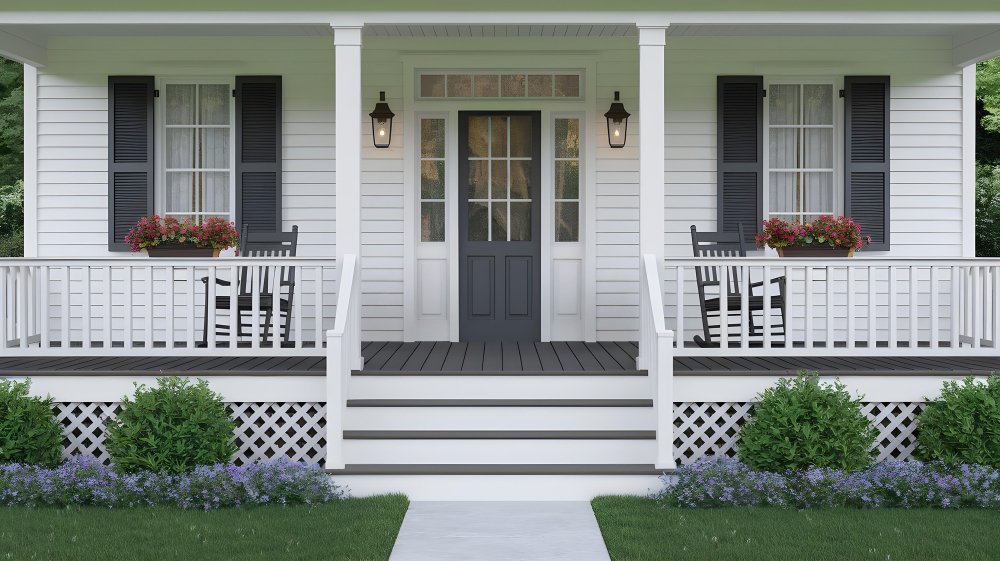
Historic homes possess a unique charm that modern construction often struggles to replicate. One of the defining features of older properties is their exterior cladding. Homeowners researching old house siding types are usually trying to preserve architectural authenticity while protecting their investment. Understanding the materials used throughout different eras can help homeowners make informed restoration decisions and avoid expensive mistakes.
Exterior siding is more than a decorative element. It protects structural components, contributes to energy efficiency, and significantly influences curb appeal. If you own or are considering purchasing an older home, recognizing these traditional siding styles can be extremely valuable.
1. Wood Clapboard Siding
Wood clapboard is one of the most recognizable historic siding materials.
Long horizontal boards overlap each other to create effective weather protection.
Common Characteristics:
- Clean horizontal lines
- Traditional appearance
- Excellent versatility
- Classic New England aesthetic
Proper maintenance is essential because wood remains vulnerable to moisture and insects.
2. Shingle Siding
Shingle siding became popular during the late 19th century.
Small overlapping wood pieces create rich textures and visual depth.
Popular Applications Include:
- Victorian homes
- Cape Cod houses
- Craftsman designs
Cedar remains one of the most common materials used.
3. Board and Batten Siding
This vertical siding style combines wide boards with narrow battens that cover joints.
Its simple design offers rustic charm.
Often Found On:
- Farmhouses
- Barn conversions
- Cottages
- Country homes
Modern interpretations continue to grow in popularity.
4. Brick Veneer Siding
Brick exteriors became widespread in certain regions due to durability and fire resistance.
Historic brick homes often feature intricate craftsmanship.
Benefits Include:
- Long lifespan
- Low maintenance
- Timeless appearance
- Strong weather resistance
Periodic mortar inspections remain important.
5. Stone Siding
Natural stone creates a premium and enduring appearance.
Older homes frequently used locally sourced materials.
Common Stone Varieties:
- Limestone
- Granite
- Fieldstone
- Sandstone
Stone exteriors can last for generations when maintained properly.
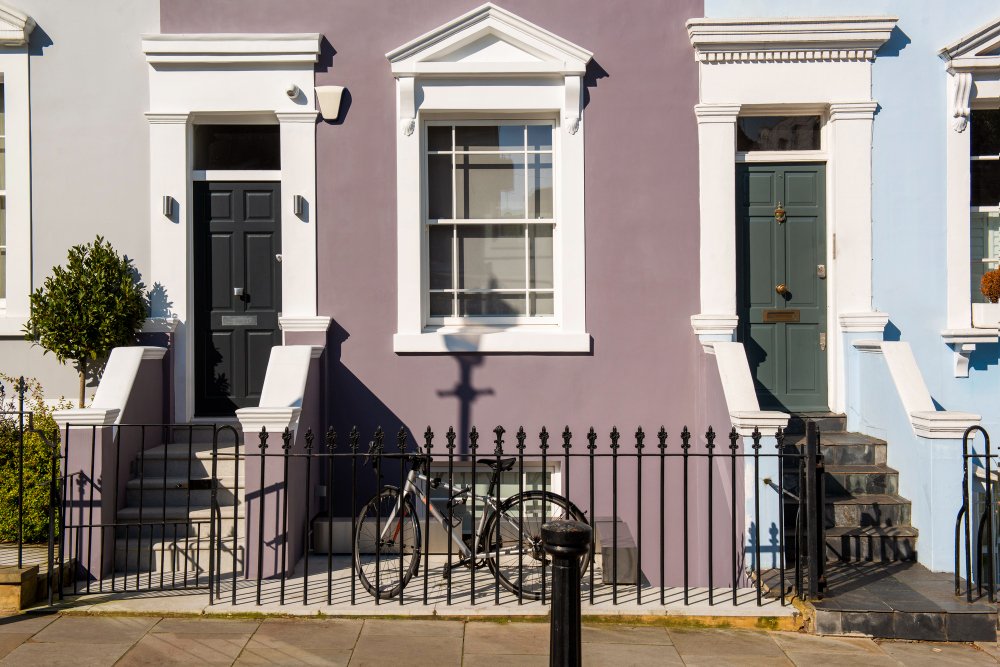
6. Stucco Siding
Stucco gained popularity in Mediterranean and Southwestern architecture.
It consists of:
- Cement
- Sand
- Lime
- Water
Its textured appearance adds architectural character.
Dry climates generally provide optimal performance conditions.
7. Asbestos Cement Siding
Many homes built between the 1920s and 1970s used asbestos-containing products.
These materials were valued for:
- Fire resistance
- Durability
- Low maintenance
Homeowners should never disturb asbestos materials without professional guidance.
Certified remediation experts should handle inspections and removal.
8. Aluminum Siding
Aluminum became popular during the mid-20th century.
It offered homeowners an alternative to wood.
Advantages Include:
- Corrosion resistance
- Low maintenance
- Lightweight installation
- Long lifespan
However, it can dent under impact.
9. Masonite and Hardboard Siding
Hardboard products emerged during the 20th century.
They were designed to mimic natural wood while lowering costs.
Unfortunately, older products sometimes experienced moisture issues.
Routine inspections remain important.
Why Identifying Siding Types Matters
Recognizing old house siding types helps homeowners preserve authenticity and avoid costly mistakes.
Proper Identification Helps With:
- Accurate restoration
- Maintenance planning
- Budget forecasting
- Historical preservation
- Resale value
Using incorrect replacement materials can reduce historical integrity.
Read More in Home Remodel ProZ Blog
- Remodeling Your Kitchen in Fernan Lake Village, ID: Create a Beautiful and Functional Gathering Space
 Learn how modern kitchen renovations transform everyday living with efficient layouts and smart upgrades.
 - Commercial Roof Leak Repair: 3 Steps to Stop Damage Fast
 A leaking commercial roof can quickly become a costly problem if left untreated. This step-by-step guide explains how professional roof leak repairs are performed, from locating the true source of the leak to repairing damaged components and implementing preventive maintenance that helps protect your building for years to come.
 - Kitchen Cabinet Refacing & Door Replacement Fairwood, WA: Affordable Kitchen Transformations
 Learn how cabinet refacing modernizes your kitchen while saving time and money.
How to Maintain Historic Siding
Regular maintenance protects your investment.
Annual Maintenance Checklist
- Inspect caulking
- Clean surfaces
- Repair damaged areas
- Remove debris
- Check flashing systems
Small repairs prevent larger structural problems.
Modern Replacement Options
When original materials cannot be salvaged, modern alternatives can replicate historic appearances.
Popular Replacement Materials Include:
- Fiber cement siding
- Engineered wood siding
- Composite materials
- Synthetic shingles
These products offer improved durability and lower maintenance requirements.
How Historic Siding Influences Home Value
Authentic exterior details attract many buyers.
Proper restoration may provide:
- Higher resale values
- Improved curb appeal
- Architectural authenticity
- Greater buyer interest
Historic homes often command premium prices when properly maintained.
Professional Evaluations Are Extremely Valuable
Older homes may contain hidden challenges.
Professionals can identify:
- Water damage
- Structural deterioration
- Lead paint
- Asbestos materials
Expert guidance protects both safety and investment.
Homeowners exploring historic house siding styles frequently discover that preserving original details significantly enhances property value.
Questions Homeowners Should Ask
- What era was my home built?
- Are original materials still intact?
- Can damaged sections be restored?
- Should I prioritize historical accuracy?
- Do hazardous materials exist?
These answers help guide restoration projects.
Final Thoughts
Learning about old house siding types empowers homeowners to make better preservation and remodeling decisions. Historic exteriors contribute significantly to a home’s charm, value, and architectural identity.
By understanding these traditional materials and maintaining them properly, homeowners can preserve their property’s beauty for generations.
Whether restoring original details or selecting compatible replacements, recognizing old house siding types ensures your home retains its historic character while meeting modern performance expectations.