
Tip
Document when and where leaks occur. Photos, weather conditions, and the time of day can provide valuable information during a professional roof inspection.
Step 1: Identify the True Source of the Leak
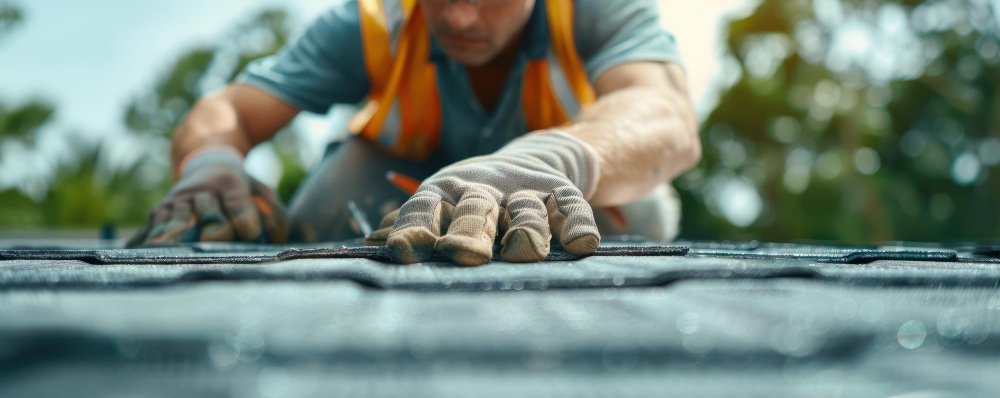
The first step is understanding that the location of a ceiling stain rarely identifies where water actually entered the roofing system. Moisture often travels beneath roofing materials before becoming visible inside the building. Rather than immediately applying sealant to the visible area, experienced roofing professionals inspect the entire roof system, including:- Roof membrane condition.
- Flashing around HVAC equipment and penetrations.
- Roof drains and drainage paths.
- Expansion joints.
- Roof edges and parapet walls.
- Previous repair locations.
⚠ Warning
Applying roof coatings or sealants before identifying the actual leak source may temporarily hide the problem while allowing moisture to continue damaging insulation and structural components beneath the roof.
Step 1 Checklist
- ✓ Inspect interior leak locations.
- ✓ Examine the entire roofing system.
- ✓ Check flashing and penetrations.
- ✓ Evaluate drainage performance.
- ✓ Document all observed damage.
Step 2: Repair the Damaged Roofing Components
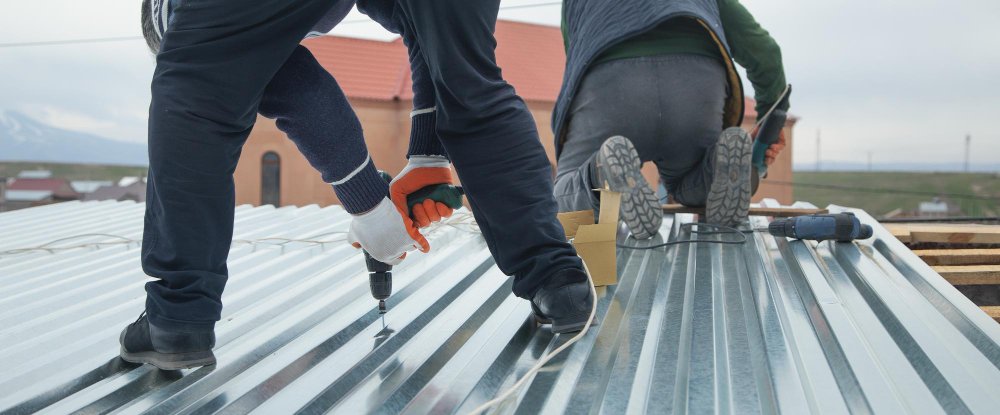
Once the inspection identifies the cause of the leak, repairs can begin. The exact repair depends on the roofing material and the condition of the surrounding components. Professional repairs may include:- Replacing damaged flashing.
- Repairing punctured or separated roofing membranes.
- Resealing roof penetrations.
- Correcting localized drainage problems.
- Replacing deteriorated sealants.
- Repairing storm-related damage.
Tip
Whenever repairs are completed, ask for photographs and documentation. Keeping detailed maintenance records makes future inspections and budgeting much easier.
Read More in Home Remodel ProZ Blog
- Remodeling Your Kitchen in Fernan Lake Village, ID: Create a Beautiful and Functional Gathering Space
 Learn how modern kitchen renovations transform everyday living with efficient layouts and smart upgrades.
 - Commercial Roof Leak Repair: 3 Steps to Stop Damage Fast
 A leaking commercial roof can quickly become a costly problem if left untreated. This step-by-step guide explains how professional roof leak repairs are performed, from locating the true source of the leak to repairing damaged components and implementing preventive maintenance that helps protect your building for years to come.
 - Kitchen Cabinet Refacing & Door Replacement Fairwood, WA: Affordable Kitchen Transformations
 Learn how cabinet refacing modernizes your kitchen while saving time and money.
Step 3: Prevent the Leak from Returning
Repairing today’s leak is only part of the process. The final step is making sure similar problems don’t develop again. A commercial roof is a complete system, and its long-term performance depends on regular inspections, preventive maintenance, and timely repairs. Once repairs have been completed, roofing professionals typically evaluate the overall condition of the roof to identify other areas that could become future concerns. This proactive approach helps extend the life of the roofing system while reducing the likelihood of unexpected emergency repairs. Preventive maintenance should include:- Scheduling roof inspections at least twice each year.
- Inspecting the roof after severe storms.
- Keeping drains and scuppers free of debris.
- Monitoring flashing around rooftop equipment.
- Repairing minor damage before it spreads.
- Maintaining detailed roof service records.
⚠ Warning
Never assume that a leak has been permanently resolved simply because water is no longer visible indoors. Hidden moisture can remain beneath roofing materials if the root cause was not professionally repaired.
Step 3 Checklist
Working with experienced Commercial Roofing Experts gives you more than a repaired roof—it provides a long-term strategy for protecting your commercial property. Professional inspections, quality workmanship, and ongoing maintenance help ensure your roofing system continues performing as intended year after year.
- ✓ Schedule routine roof inspections.
- ✓ Keep drainage systems clean.
- ✓ Monitor previous repair locations.
- ✓ Address minor issues promptly.
- ✓ Maintain a preventive maintenance program.